
When people talk about the best cities for climate resilience, Chicago rarely makes the top of anyone’s list. I started researching this after considering a long-term move here, and what I found surprised me. The reality is more complicated than the “Great Lakes refuge” narrative you’ll sometimes hear.
Let me break down why Chicago has both advantages and some serious challenges when it comes to climate change.
The Water Problem: Built on a Swamp
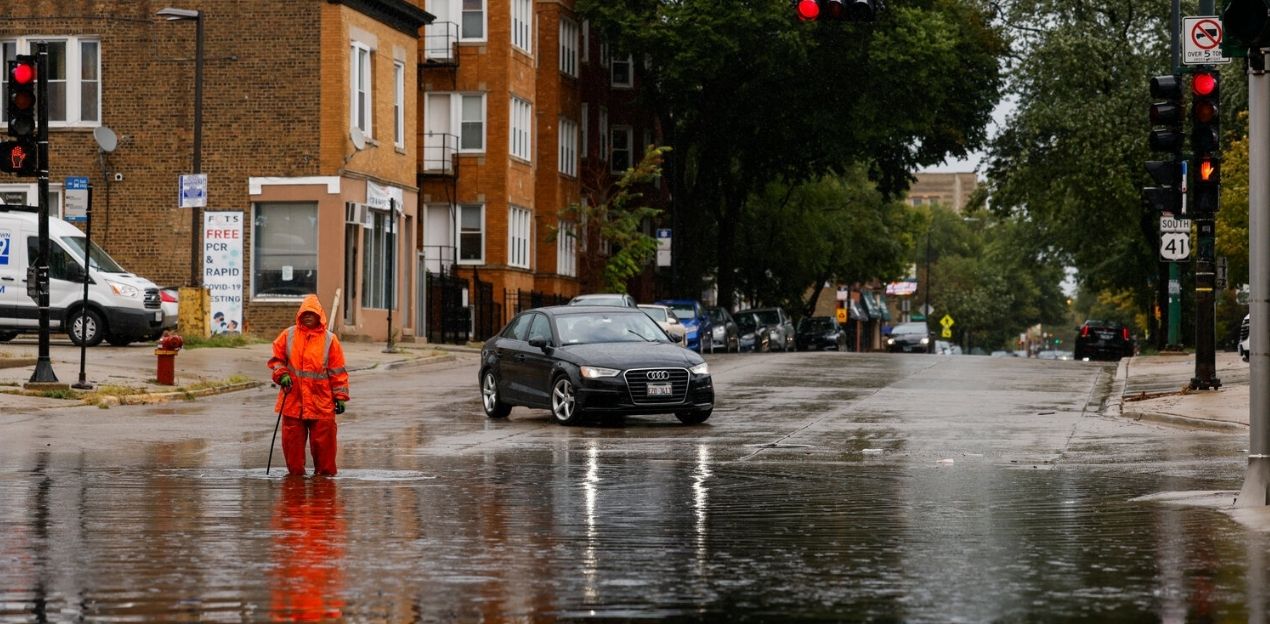
Here’s something most people don’t know: Chicago was literally built on a swamp. And as thunderstorms become more intense with climate change, the city’s old sewer system can’t keep up.
I’ve talked to locals who say certain neighborhoods flood every single time it rains heavily. The water has nowhere to go because of Chicago’s flat geography. Even worse, Chicago uses a combined sewer system, meaning storm runoff and waste mix together. When things overflow, the city has to dump sewage directly into Lake Michigan, our drinking water source.
A few years back when Lake Michigan hit record levels, the water was actually higher than the Chicago River. That created a serious problem: where do you dump excess water when you can’t use the lake?
The Tornado Factor
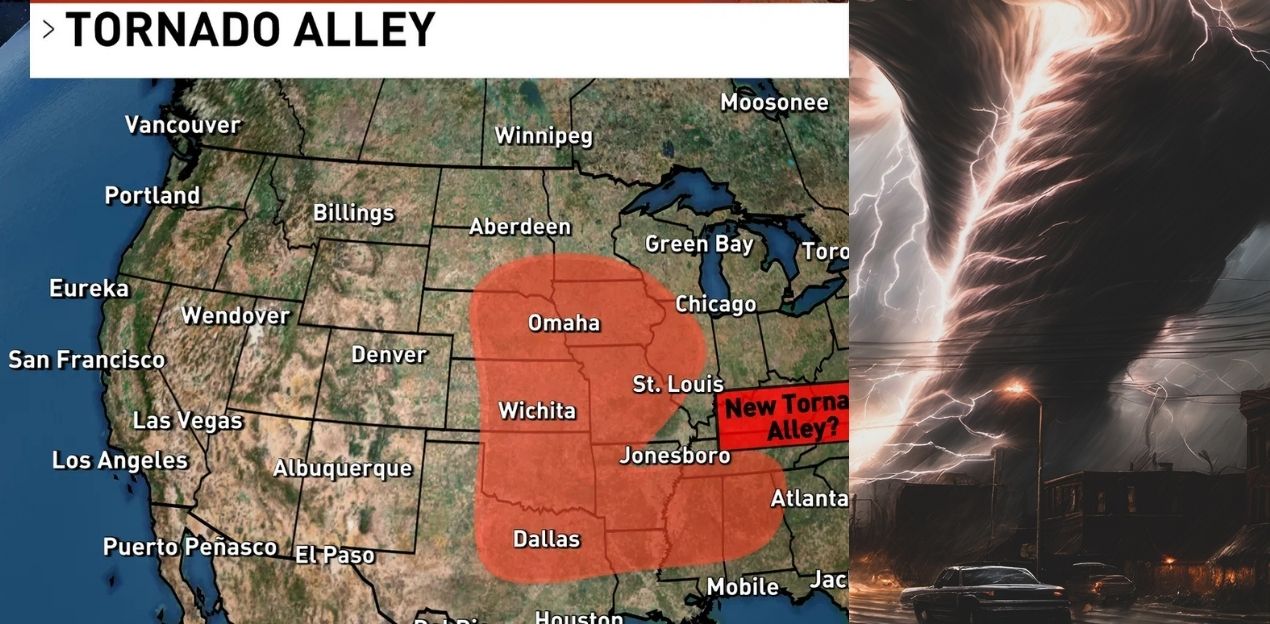
Chicago sits in the northern section of Tornado Alley, something I completely overlooked initially. While tornadoes aren’t as frequent here as in Oklahoma or Kansas, climate change is making severe weather more unpredictable across the Midwest.
I was watching a Wrigleyville camera feed once and heard tornado sirens while people were crowding into the stadium during a warning. It’s not a daily concern, but it’s real.
Temperature Extremes Are Already Wild
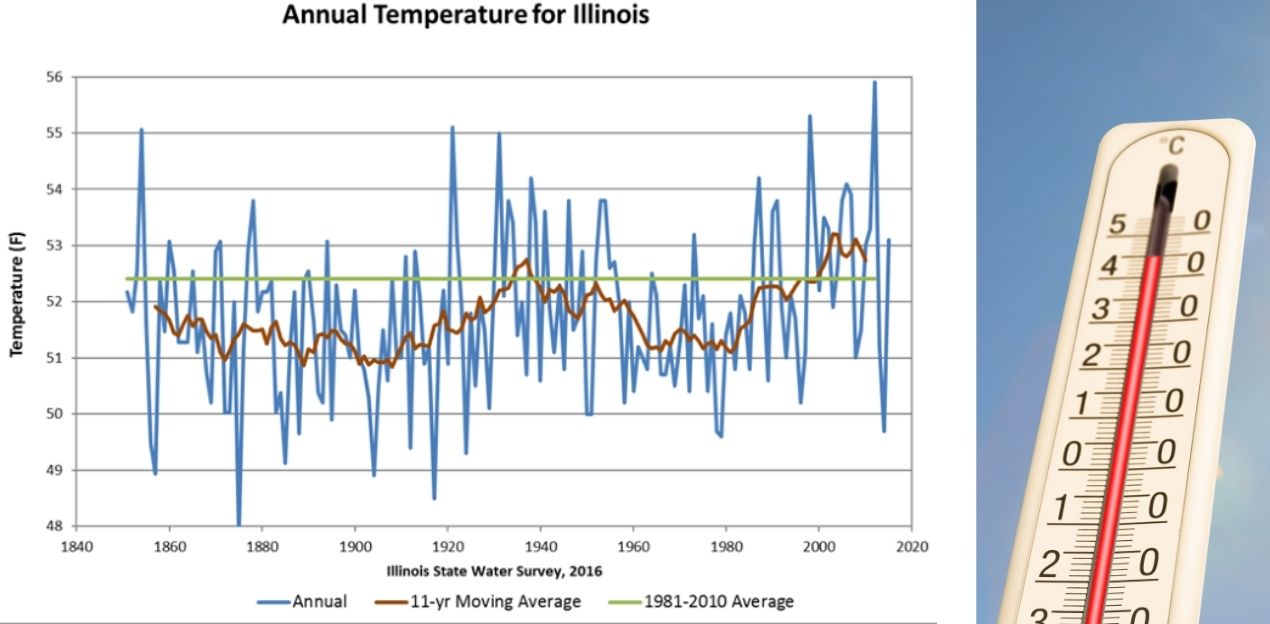
Chicago already experiences crazy temperature swings. I learned that the city once recorded both the nation’s highest heat index and lowest wind chill in the same year. The lake effect makes both the heat and cold feel more extreme than the actual temperature.
The 1995 heat wave killed around 700 people in Chicago. That’s not ancient history. And climate models suggest summers will get significantly hotter, with some projections comparing future Chicago summers to current New Orleans or northern Texas conditions.
The Infrastructure Challenge
Chicago is dealing with aging infrastructure that wasn’t designed for the climate we’re moving into. The city has been investing in green roofs, improved stormwater management, and other upgrades, but it’s a massive undertaking for a city this size.
Some experts say Chicago is “already maxed out” in terms of population and infrastructure capacity, though others point out that large sections of the south and west sides have room for development.
Why the Great Lakes Aren’t a Perfect Solution
Yes, Chicago has access to abundant freshwater from Lake Michigan. That’s a genuine advantage as water scarcity becomes a bigger issue elsewhere. But it’s not the simple climate refuge story you might hear.
The lake moderates temperatures somewhat, keeping summers cooler than they’d otherwise be. But it also creates humidity that makes heat waves more dangerous. And the flat geography combined with lake dynamics creates those flooding issues I mentioned earlier.
The Realistic Assessment
If you’re moving into a Chicago apartment or considering the best suburbs around Chicago, here’s what you should know:
Chicago won’t face hurricanes, wildfires, or severe drought like other regions. Those are major advantages. But it will face:
- More intense flooding from severe storms
- Hotter, more humid summers
- Unpredictable severe weather including potential tornadoes
- Infrastructure challenges adapting to new climate patterns
The northern suburbs tend to run 4-5 degrees cooler than the city, with more permeable surfaces that reduce flooding. That’s worth considering if climate resilience is a priority.
The Bottom Line
Chicago isn’t mentioned as a top climate-resilient city because it has real vulnerabilities that complicate the picture. The water access is great, but the flooding issues are serious. The lack of wildfires and hurricanes is wonderful, but the infrastructure strain is real.
I think Chicago will remain more stable than many other major cities as climate change progresses. But it’s not the climate paradise some articles might suggest. The challenges are legitimate, and the city has a lot of work ahead to adapt its aging infrastructure.
If you’re thinking long-term about Chicago, go in with realistic expectations. It’s better positioned than Phoenix or Miami, but it’s got its own set of climate concerns that deserve honest consideration.




0 Comments