
Drive through Evanston and you’ll notice something different – church steeples appear on every other block. This isn’t random. Evanston earned its nickname “City of Churches” through an interesting history tied to faith, education, and city planning.
How Evanston Started with Northwestern University
Evanston’s story starts with Northwestern University. In 1851, Methodist leaders chose this lakefront land north of Chicago to build their university. They named the town after John Evans, one of the university’s founders.
The Methodists wanted more than just a college campus. They envisioned a community built on religious values where faith would shape everyday life. This vision attracted other religious groups who saw Evanston as the perfect place to establish their congregations.
Why Evanston Banned Alcohol for 100 Years
Here’s where it gets interesting. Evanston banned alcohol sales from the 1850s until 1972, that’s over 100 years. This wasn’t random, it was on purpose. The town’s religious founders believed a town without alcohol would attract families and religious groups.
And it worked. Churches and religious groups flocked to Evanston, knowing they could build communities without competing with saloons and taverns. By the early 1900s, Evanston had more churches per capita than almost any other city in America.
Beautiful Church Buildings in Evanston
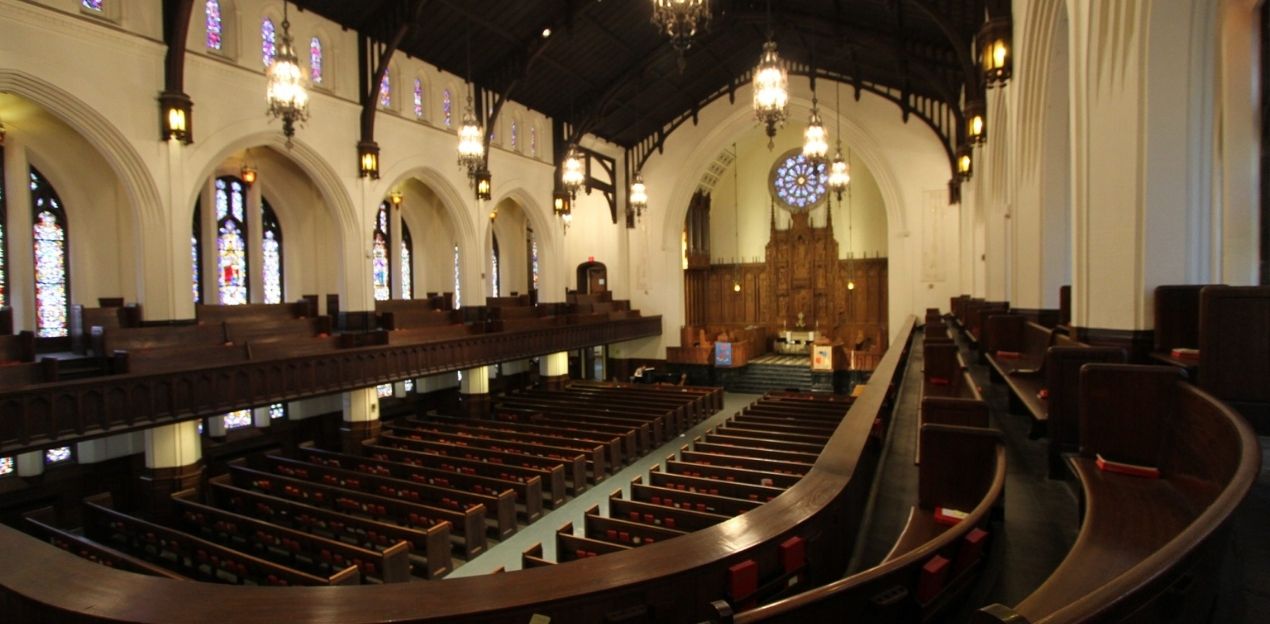
Walking around Evanston today feels like touring beautiful old buildings. You’ll find stunning churches with different styles all within blocks of each other.
First United Methodist Church downtown stands as a testament to the town’s Methodist roots. The First Church of Christ, Scientist building showcases classical architecture. St. Mary’s Catholic Church features gorgeous stained glass that’s been inspiring people for over a century.
Some churches even have building styles you don’t see often. While not quite as famous as Frank Lloyd Wright’s Chicago architecture, several Evanston churches show special designs worth seeing
Evanston Has Over 50 Churches Today
Today, Evanston has over 50 different religious groups representing many faiths – Protestant churches, Catholic churches, Jewish synagogues, and other faith communities. This variety makes the “City of Churches” nickname even more meaningful now than when it started.
The churches aren’t just old buildings. They’re active community centers hosting food pantries, concerts, community meetings, and social programs. They shape what Evanston is like beyond Sunday services.
What Evanston’s Church History Means Today
Understanding Evanston’s religious history helps explain why it became one of the best suburbs to live in Chicago. The focus on community values, education, and working together that the churches brought still defines the town today.
Many of these beautiful church buildings are hidden gems that visitors miss. They’re open for tours, concerts, and community events throughout the year.
How to Visit Evanston’s Historic Churches
If you’re interested in architecture, history, or just beautiful spaces, add church touring to your list of things to do in Evanston. Many offer self-guided tours or welcome visitors during weekday hours. The variety of architectural styles within a few blocks is remarkable.
The nickname “City of Churches” tells the story of a community that built itself around shared values and faith. Those church steeples you see dotting the skyline aren’t just buildings – they’re markers of Evanston’s unique history and identity.
Keeping your home as beautiful as Evanston’s historic architecture? House Keep Up helps busy residents maintain pristine homes so you can enjoy everything the area offers. Schedule your cleaning and spend your time exploring instead of scrubbing.




0 Comments