
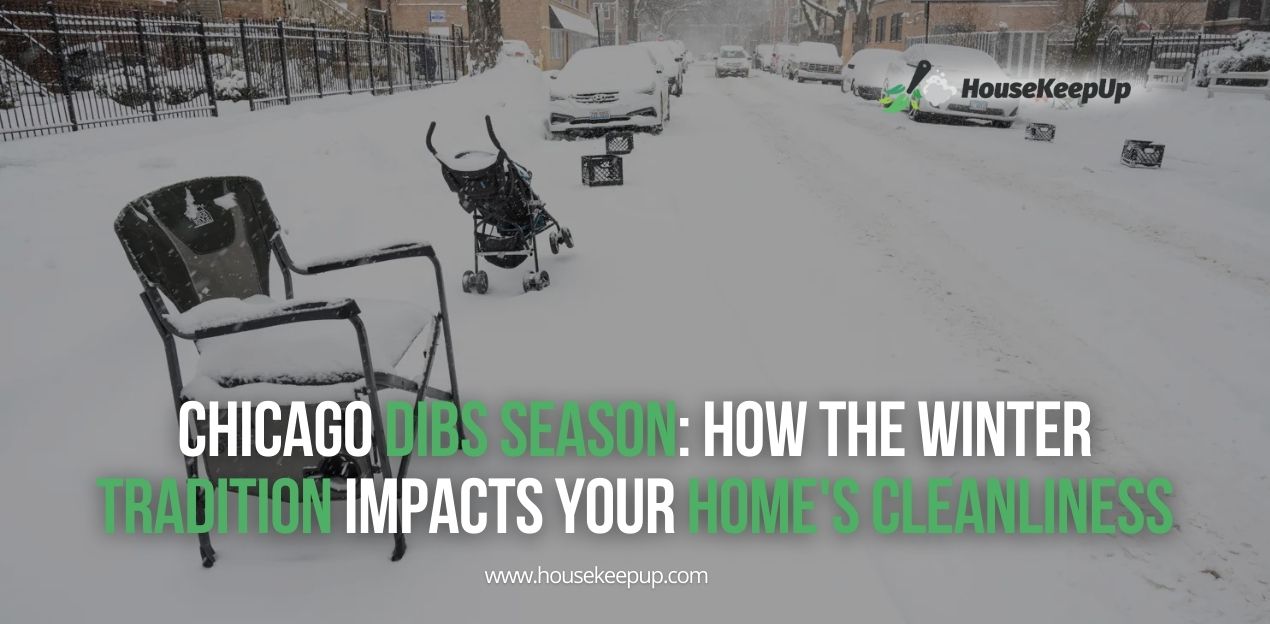
I’ve lived through enough Chicago winters to know one truth: mess with someone’s dibs at your own risk.
You know what I’m talking about. That beat-up lawn chair sitting in a freshly shoveled parking spot. The traffic cone guarding a cleared space. Sometimes even a full dining room table planted in the middle of the street like some kind of absurd ice sculpture.
This is dibs. And if you’re new to Chicago, you need to understand it’s not just a quirky tradition. It’s basically an unwritten law that people will defend with alarming passion.
What Is Dibs, Exactly?
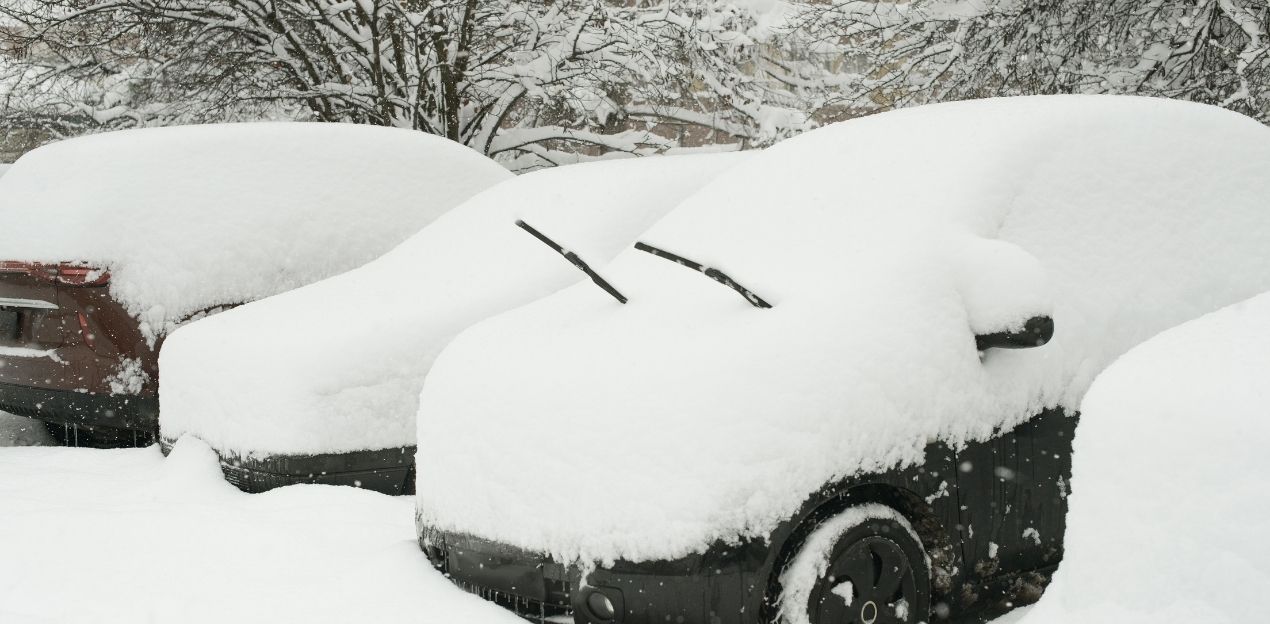
Here’s how it works. After a big snowstorm, you spend an hour (or two, or three) digging your car out of the snow. Your back hurts. Your hands are frozen. You’ve created a beautiful, cleared parking space.
Then you leave to run errands or go to work. And when you come back, you want that spot to still be there waiting for you.
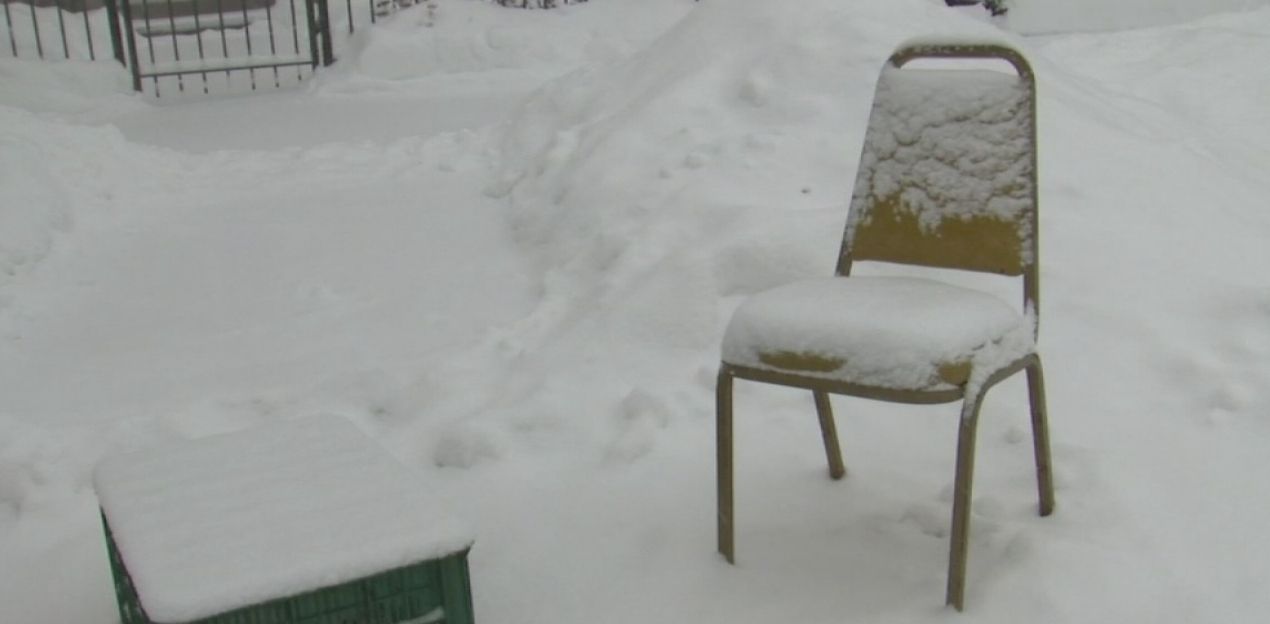
So you mark it. You drag out an old lawn chair, some milk crates, a broken vacuum cleaner, whatever you’ve got lying around. You plant it in your freshly shoveled spot. That’s your marker. That’s your claim.
The message is clear: I did the work. This spot is mine. Don’t even think about moving my stuff and parking here.
That’s dibs. It’s Chicago’s way of saying “finders keepers” meets “I earned this” meets “try me and see what happens.”
It All Started With The Big Snow
Most Chicago traditions have fuzzy origins, but dibs has a pretty clear birthday: January 26, 1967.
That morning, snow started falling at 5 a.m. By the next day, the city was buried under 23 inches of the white stuff. It was chaos. Cars disappeared completely. The city’s snow removal couldn’t keep up. They literally started shipping snow to Florida on train cars because there was nowhere else to put it.
Peter Alter, a historian at the Chicago History Museum, points to this storm as the moment dibs was born. Residential streets went unplowed for weeks. People spent hours digging out their cars from what looked like parking spot graves. After all that work, they weren’t about to let some random person swoop in and take their spot.
So they started marking their territory. Folding chairs. Sawhorses. Whatever junk they could find. A Chicago Tribune article from ’67 noted motorists “staking out their domains with folding chairs, carpenters’ horses and anything that may come to hand.”
And just like that, a tradition was born.
The Rules Nobody Wrote Down
Here’s the thing about dibs. It’s completely illegal. There’s no city ordinance that says you own a parking spot because you shoveled it. Technically, those chairs and cones are just trash blocking public streets.
But nobody really cares.
When Mayor Richard M. Daley was asked about dibs back in 2001, he pretty much endorsed it: “If someone spends all that time digging out a spot, do not drive into that spot.” That’s about as official as it gets.
The unspoken rule is simple: you shovel it, you own it. At least until the snow melts. Move someone’s dibs marker and park in their spot? You’re asking for trouble. Slashed tires, keyed paint jobs, car doors frozen shut with a garden hose. I’ve seen it all happen over parking spots.
NPR looked at police reports from three major snowstorms and found 51 slashed tires, 12 broken windows, and 11 keyed cars. All over parking spaces.
It’s Not Just Chicago
Pittsburgh has a similar tradition they call the “Pittsburgh parking chair.” Boston does it too. Baltimore’s got their own version. But Chicago’s the city that really owns this practice. We’ve got dibs on dibs, you could say.
The term itself didn’t show up until 1999 when Tribune columnist John Kass started using it. Before that, people just called it “saving your spot” or didn’t call it anything at all.
Now it’s everywhere. There’s a Tumblr devoted to Chicago dibs photos. People sell hoodies with dibs jokes. Someone even wrote a holiday song about it last year. The crazier the dibs marker, the more likely it’ll go viral. I’ve seen frozen pants, toilets, even a full Christmas tree blocking spots.

Love It or Hate It, But It’s Not Going Anywhere
Walk around any neighborhood after a big snow and you’ll see the divide. Some blocks look like lawn furniture graveyards. Others are pristine, with people sharing spots like actual neighbors.
The debate gets heated. Some think dibs is fair. You did the work, you earned it. Others see it as selfish. Why claim public property? I get both sides. It sucks to shovel for an hour and lose your spot. But it also sucks to circle forever because every spot has a chair in it.
The city occasionally threatens to crack down, but enforcement is rare. Everyone knows trying to ban dibs would cause more problems than it solves. And that’s what makes it so perfectly Chicago. It’s a messy, unofficial system that works because we all agree to go along with it.
That’s the Chicago way. Even if it involves a plastic lawn chair covered in ice.
If you’re in Chicago and need help keeping your home clean this winter (so you can focus on important things like defending your parking spot), House Keep Up has your back.




0 Comments