

I’ve watched Chicago salt destroy beautiful hardwood floors in a single winter. That white crusty residue isn’t just ugly. It’s eating away at your floors every single day.
Here’s how to stop it before the damage becomes permanent.
1. Door Mats That Actually Work
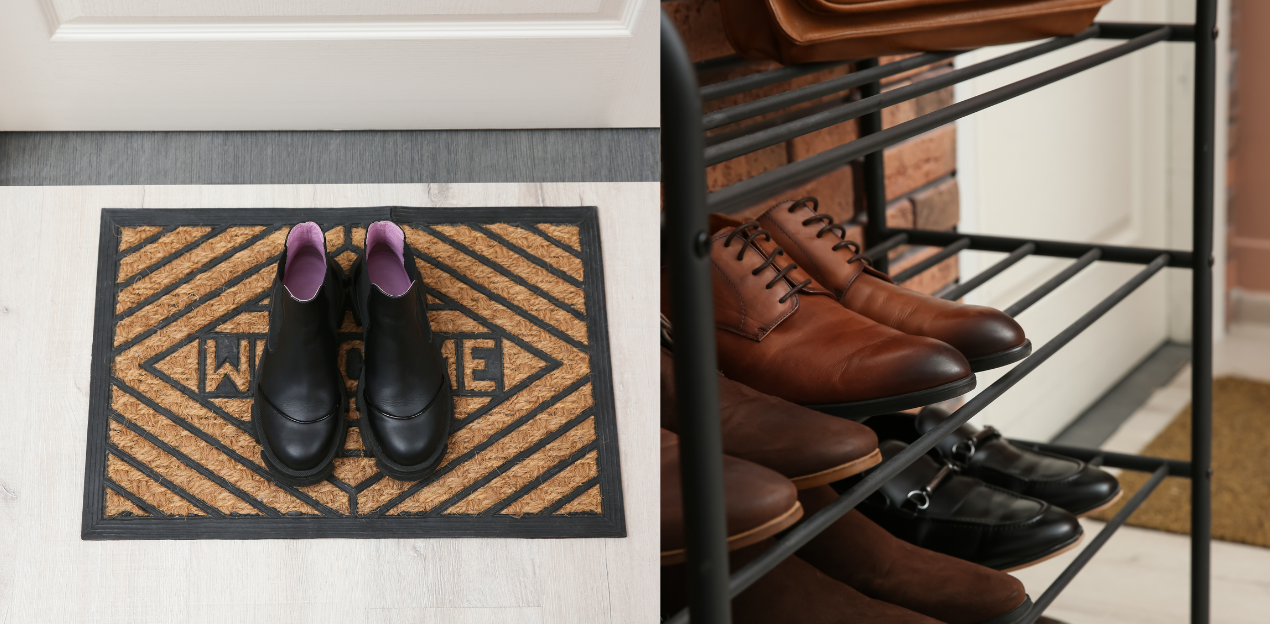
Put heavy-duty mats both outside and inside every entrance. The outside mat scrapes off chunks of salt and snow. The inside mat catches what’s left.
Get thick rubber-backed mats that can handle wet boots. Those thin decorative mats don’t cut it in Chicago winters.
2. No-Shoe Rule (Seriously)
This is the single most effective thing you can do. Shoes off at the door, every time.
Keep a shoe rack or basket right by the entrance so it’s easy. Winter boots stay there, not tracking salt through your whole house.
3. Sweep Daily
Salt doesn’t just sit there. It gets ground into your floors with every step. Sweep or vacuum entryways and high-traffic areas every single day during winter.
Use a soft-bristle broom on hardwood. The grit in salt acts like sandpaper if you let it sit. If you’re vacuuming instead, make sure you’re using the right settings for your specific floor type to avoid scratching.
4. Vinegar Solution for Salt Stains
Mix equal parts white vinegar and warm water. This cuts through salt residue without damaging floors.
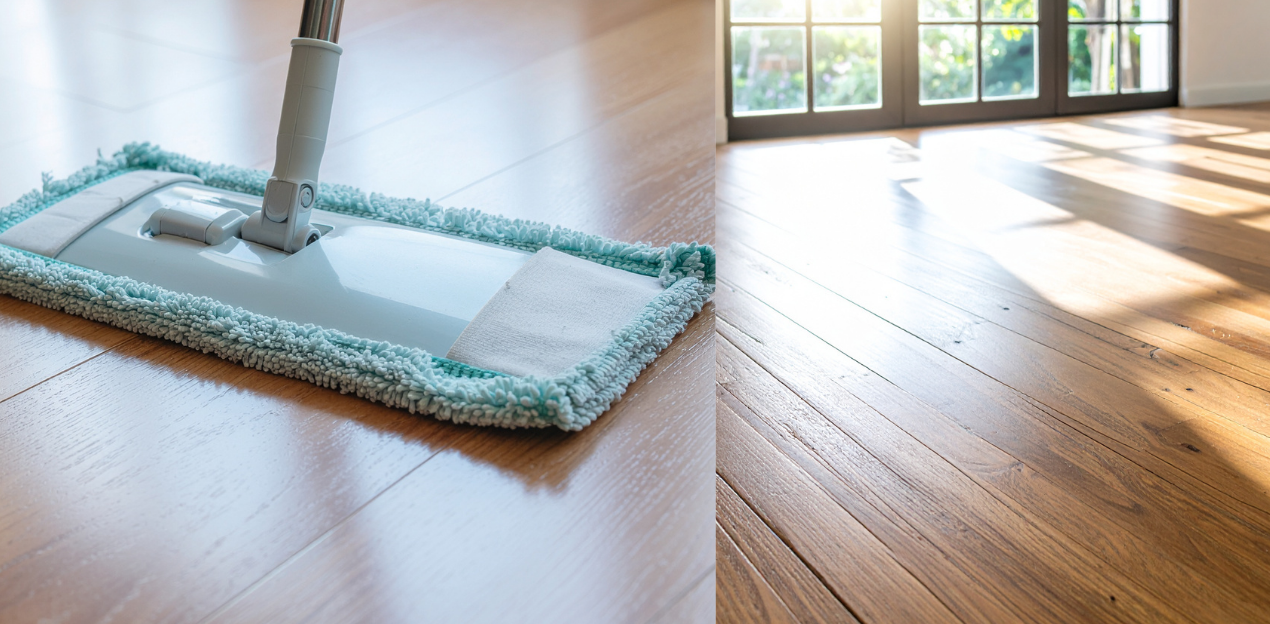
Mop with the vinegar solution, then go over it again with plain water. Never let standing water sit on hardwood. Work in small sections and dry as you go. If your floors feel sticky after mopping, you’re likely using too much solution or not rinsing properly.
5. Protective Barriers During Peak Season
Apply an extra coat of floor sealant before winter hits. It creates a barrier between salt and your actual flooring.
For high-traffic entryways, consider temporary protective runners from December through March.
6. Clean Boots Before They Come Inside
Keep a boot brush or old towel outside your door. Knock off the worst of the salt and snow before boots even cross the threshold.
For serious Chicago winters, a boot tray with raised edges catches the melt water and keeps it contained.
7. Deep Clean Every Two Weeks
Surface cleaning isn’t enough. Every two weeks, do a deep clean of entry areas and anywhere salt gets tracked.
For hardwood, use a professional wood floor cleaner. For tile, a steam mop works great. Carpets need hot water extraction to pull embedded salt out of the fibers.
When Salt Damage Gets Ahead of You
Even with the best prevention, Chicago winters are brutal on floors. If you’re seeing white residue build-up, discoloration, or your floors feel gritty no matter how much you clean, the damage is happening faster than you can keep up.
Professional deep cleaning can reverse early salt damage before it becomes permanent. House Keep Up knows exactly how Chicago salt attacks different floor types and what it takes to actually protect them.
Your floors shouldn’t look destroyed by March.




0 Comments