

I’ll be honest, until a few years ago, I thought cleaning and disinfecting were pretty much the same thing. Just spray some cleaner, wipe it, and you’re done, right? Not quite.
Ever since I started paying more attention to home cleanliness (especially during the pandemic) I discovered there are actually three distinct levels of cleanliness: cleaning, sanitizing, and disinfecting. Each serves a different purpose, and knowing when to use which method can make a huge difference in keeping your home truly healthy.
Let me break down what each one actually does and when you should use them.
What is Cleaning?
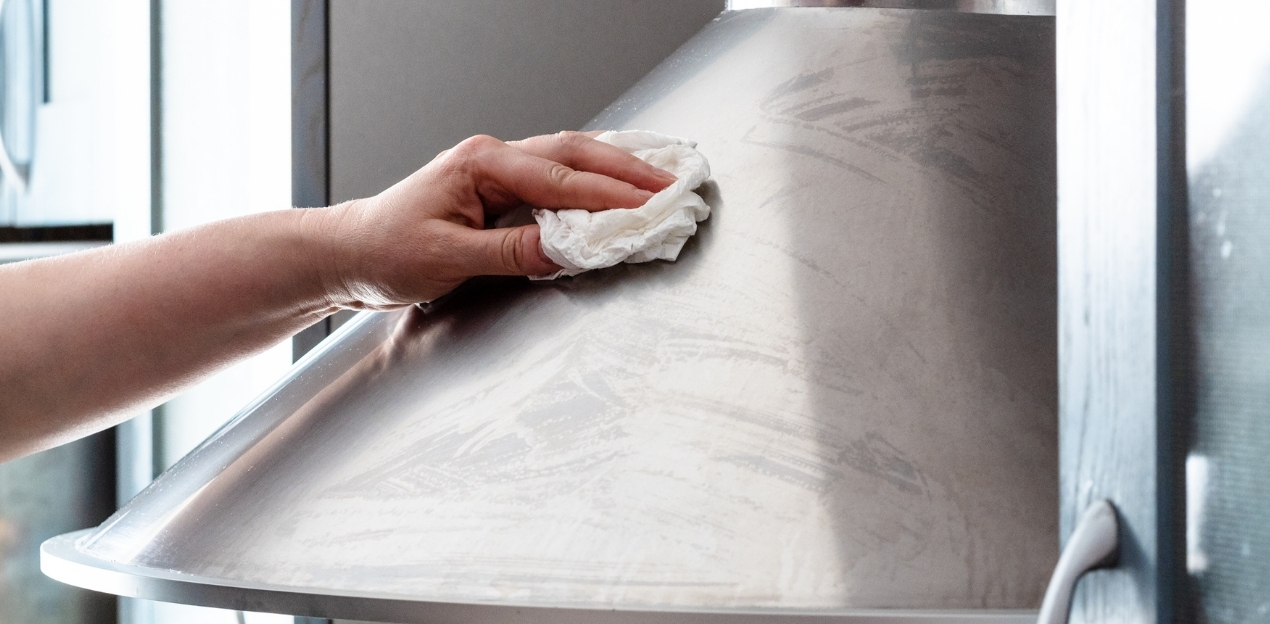
Cleaning is the most basic level, it’s what most of us do daily. When you clean, you’re physically removing dirt, dust, debris, and some germs from surfaces. Think of it as the foundation of good hygiene.
I like to think of cleaning as the “prep work.” You’re not necessarily killing bacteria or viruses, but you’re removing the stuff they like to live in. This includes:
- Wiping down counters with soap and water
- Vacuuming carpets and rugs
- Dusting furniture
- Mopping floors
- Washing dishes
Cleaning makes your home look and smell fresh, but it doesn’t guarantee that harmful microorganisms are gone. It’s like clearing the table before you set it, necessary, but not the final step.
What is Sanitizing?
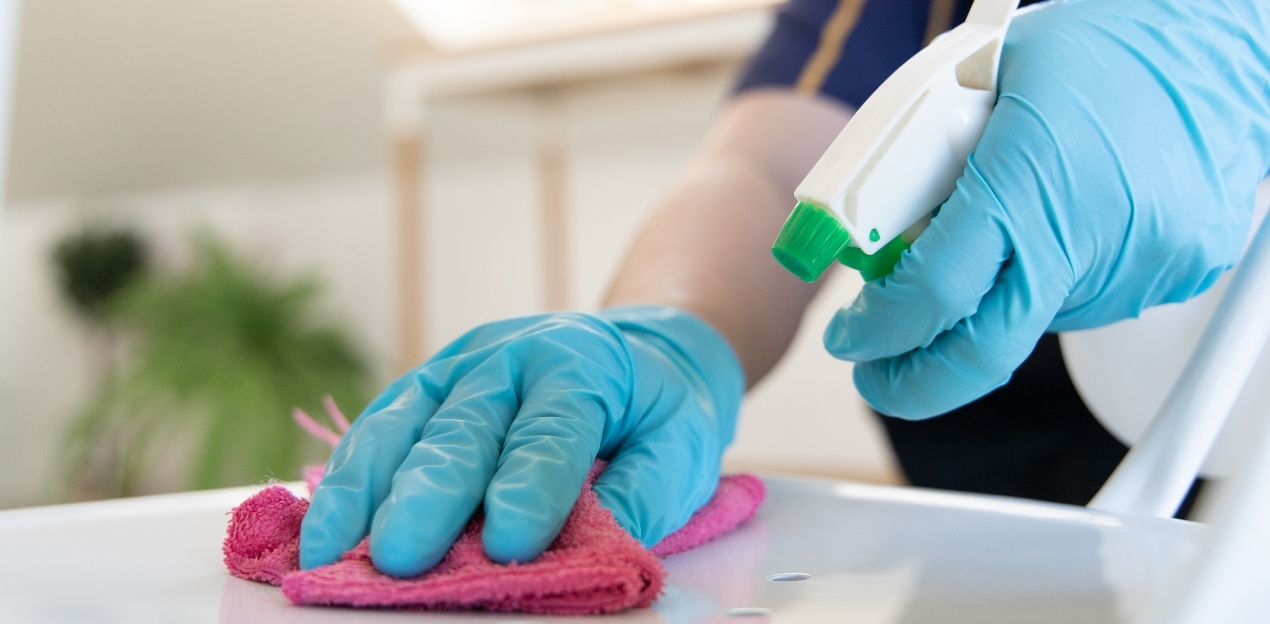
Sanitizing is one step beyond just cleaning. This process reduces the number of bacteria and germs on surfaces to what public health standards consider safe levels. You’re not eliminating everything, but you’re bringing the germ count way down.
I use sanitizing mainly in areas where food is prepared or where my family spends a lot of time. Common sanitizing tasks include:
- Cleaning kitchen counters where you prep food
- Wiping down high-touch surfaces like light switches
- Sanitizing children’s toys
- Cleaning bathroom fixtures
Sanitizers work faster than disinfectants, usually within 30 seconds to a minute. They’re perfect for regular cleaning when you want something stronger than your usual cleaner, but don’t need a full disinfectant.
What is Disinfecting?
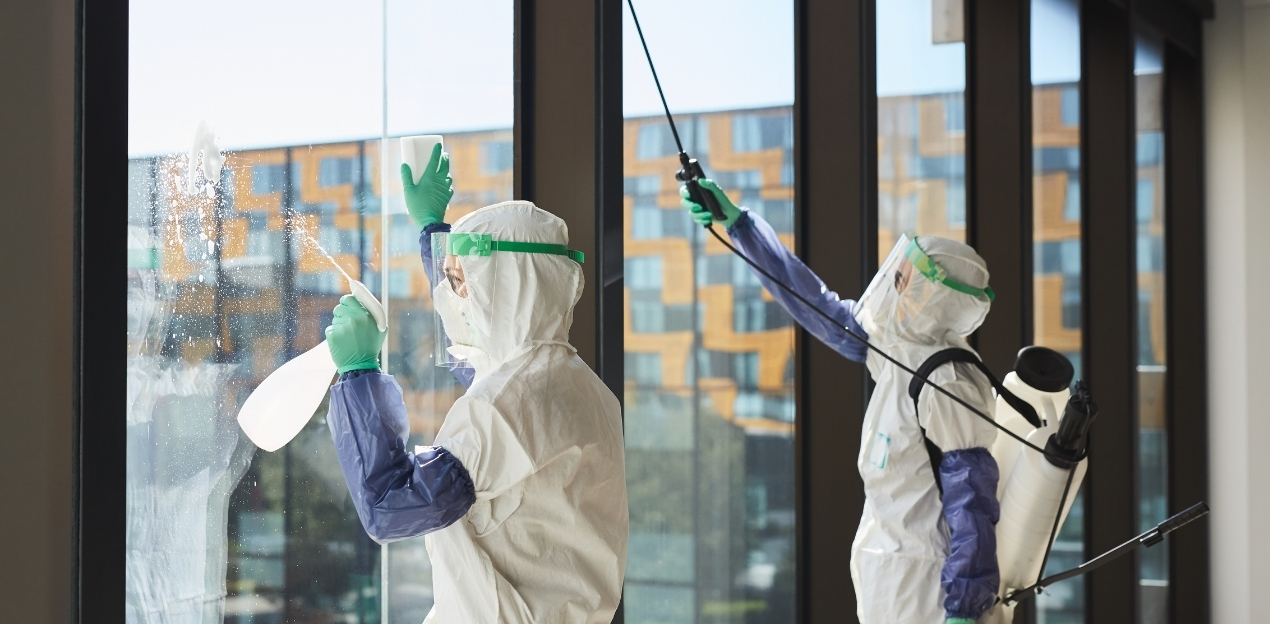
Disinfecting is the heavy hitter. This process actually kills bacteria, viruses, and other microorganisms on surfaces. When someone in your house is sick, or you’re dealing with potentially contaminated areas, disinfecting is your best friend.
Here’s what makes disinfecting different: it takes time. Most disinfectants need to sit on surfaces for several minutes (often 1-10 minutes) to be effective. I learned this the hard way – I was spraying and immediately wiping, which basically made the disinfectant useless.
Use disinfecting for:
- Surfaces after handling raw meat
- Bathroom fixtures, especially toilets
- Areas where sick family members have been
- Doorknobs and handles during flu season
- Cutting boards after use
The Right Order Makes All the Difference
Here’s something I wish I’d known earlier: order matters. You should always clean first, then sanitize or disinfect.
Why? Because dirt and grime can actually protect germs from sanitizers and disinfectants. It’s like trying to paint over a dirty wall – the paint won’t stick properly. When I clean first, I remove that protective layer so the sanitizer or disinfectant can do its job properly.
My typical routine for a thorough clean looks like this:
- Clear and organize the area
- Clean with soap and water or regular cleaner
- Rinse if needed
- Apply sanitizer or disinfectant
- Let it sit for the required contact time
- Wipe or rinse as directed
When to Use Each Method
Daily cleaning covers most of your regular housework. I stick to basic cleaning for routine maintenance – it keeps things tidy and removes most of the stuff that can harbor germs.
Sanitizing is perfect for those middle-ground situations. I sanitize kitchen counters after cooking, bathroom sinks after use, and kids’ toys regularly. It’s stronger than cleaning but not as time-intensive as disinfecting.
Disinfecting is what you do when regular cleaning isn’t enough. Someone’s sick? Disinfect. Dealing with raw chicken? Disinfect. Flu season hitting your household? Time to disinfect those high-touch areas.
Common Mistakes I See (And Made Myself)
The biggest mistake? Not reading labels. Different products have different contact times. That bathroom cleaner might need to sit for 5 minutes to actually disinfect, but most people spray and wipe immediately.
Another common issue is using the wrong product for the job. Not all cleaners are sanitizers, and not all sanitizers are disinfectants. Check the label – if it says “kills 99.9% of germs,” it’s likely a disinfectant.
Making It Work in Real Life
I don’t disinfect everything every day, that would be exhausting and unnecessary. Instead, I’ve developed a rhythm:
- Daily: Basic cleaning with soap and water
- Weekly: Sanitize high-touch areas and food prep surfaces
- As needed: Disinfect when someone’s sick or I’m dealing with potentially contaminated areas
This approach keeps my home clean without turning me into a germaphobe. It’s about being smart, not obsessive.
Understanding these differences has honestly changed how I approach home cleaning. I’m not wasting time or money on unnecessary products, and I feel more confident that I’m actually protecting my family’s health when it matters most.
If you’re in Chicago and need a hand with home cleaning, House Keep Up has your back.
Frequently Asked Questions
Can I use disinfectant for regular daily cleaning?
You can, but it's often overkill and more expensive. Regular cleaning with soap and water handles most daily dirt and grime effectively. Save disinfectants for when you actually need to kill germs.
How long do I need to leave disinfectant on surfaces?
It depends on the product. Most disinfectants need 1-10 minutes of contact time to be effective. Always check the label – this is called the "dwell time" or "contact time."
Do natural cleaners like vinegar and baking soda disinfect?
White vinegar can kill some bacteria and viruses, but it's not EPA-registered as a disinfectant. Baking soda is great for cleaning but doesn't disinfect. For true disinfection, you need EPA-approved products.
Is it safe to mix different cleaning products?
Never mix cleaning products. This can create dangerous chemical reactions. For example, mixing bleach with ammonia creates toxic chlorine gas. Use products one at a time and rinse between applications.
How often should I disinfect my home?
For healthy households, disinfecting high-touch areas like doorknobs and light switches once or twice a week is plenty. Increase frequency if someone's sick or during flu season.
What's the difference between antibacterial and disinfectant products?
Antibacterial products only kill bacteria, while disinfectants kill bacteria, viruses, and other microorganisms. Disinfectants are more comprehensive but aren't always necessary for routine cleaning.
Skip the Hassle, Get a Clean Home!
Let our professional Chicago cleaning team handle all your cleaning needs. We bring the expertise, tools, and attention to detail that makes your home sparkle.

0 Comments